Industrial Lubrication Pumps: A Buyer's Comparison Guide to Gear, Trochoidal, and Electric Options
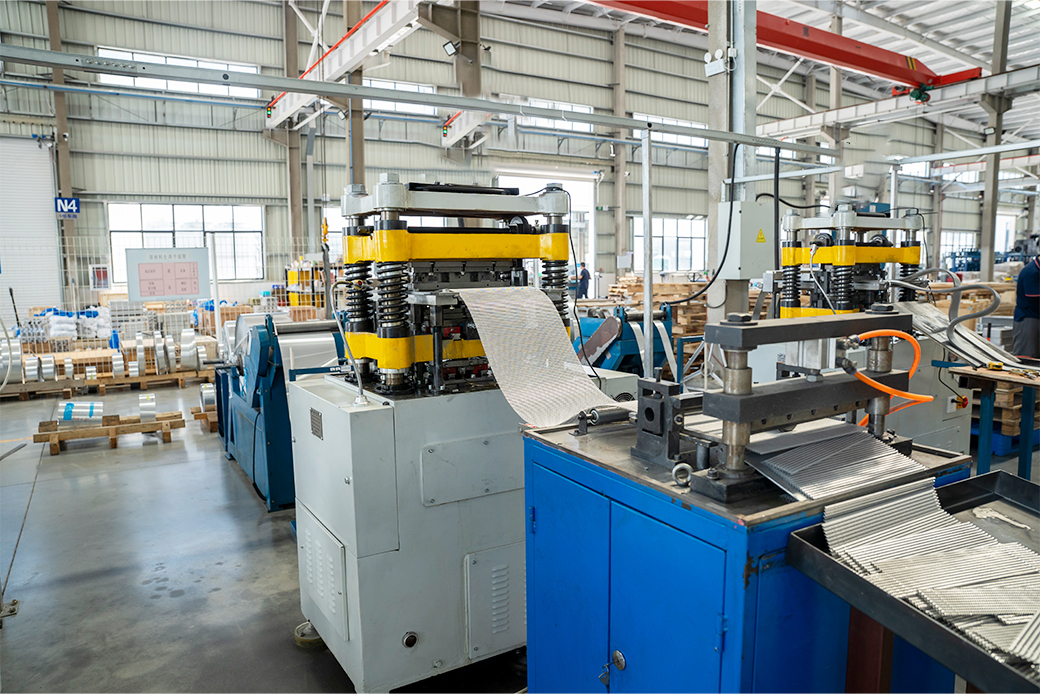
Pump type, not brand preference, sets how long a heavy-industry lubrication circuit stays reliable.
An industrial lubrication pump is only noticed when it stops working. Until then it quietly decides how long bearings, gear sets, and hydraulic components last. For decision-stage buyers in smart manufacturing, the practical question is no longer whether to specify a lubrication pump, but which of three working types fits the duty cycle: a bidirectional internal gear pump, a trochoidal pump, or an electric lubrication pump.
This guide compares those three types directly. It works from verifiable specifications rather than brand claims, and it focuses on the four variables that decide fit: displacement, material and drive construction, temperature range, and application. Two operating conditions run through all three options — the pump must limit abrasion and friction heat in 24/6 operation, and it depends on an airtight inlet plus controlled oil cleanliness to do so.
Problem Definition: Why the Pump Type, Not the Brand, Decides Lubrication Reliability
The link between lubrication quality and machine failure is well documented. Third-party analysis attributes over 76% of industrial machinery failures to improper lubrication (Lubrication Systems Market Size Report 2035). Most of that loss is not caused by a missing pump; it is caused by a pump delivering the wrong flow, at the wrong pressure, with contaminated oil.
Three mechanisms explain the damage:
- Abrasion. Particles carried in the oil film act as an abrasive between contacting surfaces. Gear teeth, bushings, and bearing races wear faster when contamination is not controlled.
- Friction heat. Every contact point generates heat, and oil flow carries it away. If displacement is too low for the circuit, or if flow is interrupted, heat accumulates, viscosity falls, and the protective film breaks down.
- Air entrainment. An inlet that is not airtight lets air into the suction line, producing cavitation, noise, pressure fluctuation, and a measurable loss of volumetric efficiency — a fault often blamed on the pump when it is actually an installation problem.
Pump type affects all three. Internal geometry sets pulsation and metering behaviour; displacement sets available flow; drive type sets how the pump reacts to changing duty. Selecting on price alone simply defers the cost to maintenance.
Industry Background: A Lubrication Market Moving Toward Centralized, Monitored Systems

Lubrication pumps are increasingly specified components rather than local maintenance consumables.
The commercial case for choosing carefully is visible in market data. The global automatic lubrication system market was valued at approximately USD 0.37 billion in 2024 (Market Research Future). Centralized lubrication systems can reduce maintenance downtime by up to 52% in manufacturing facilities (Industry Report 2035) — a figure that explains why automated lubrication is adopted even in plants where manual greasing remains technically possible.
Supply is increasingly global. Asia-Pacific accounted for approximately 42% of total global lubrication system shipments in 2024 (Lubrication Systems Market Analysis). China exported USD 14.3 billion in liquid pumps, including lubrication pumps, in 2024, about 18.5% of global exports (OEC). Immediately downstream of the pump, the global oil coolers market used in lubrication cooling systems was valued at USD 6.8 billion in 2025 (Dataintelo), reflecting how often a lubrication pump is specified together with a cooling circuit rather than on its own.
Standards matter as much as market size. ISO 4406 is the primary international standard for quantifying particle contamination in hydraulic and lubrication fluids using a three-part code such as 18/15/13 (ISO). Because each lubrication pump type tolerates contamination differently, cleanliness class belongs in the specification, not in the maintenance notes.
The Three Pump Types Compared
1. Bidirectional Internal Gear Pump — PST180
The PST180 is a bidirectional internal gear pump rated at 180 cc/rev, with an operating temperature range of −30°C to +100°C. An internal gear design meshes the driving and driven gears inside the rotor set, producing continuous flow with low pulsation from a compact pumping element. The bidirectional specification means the pump can be driven in either rotation direction without reconfiguring the internal assembly — useful in hydraulic power units where drive direction is settled late in a project or may be reversed during service.
The −30°C to +100°C window is the headline number for cold-start and hot-run applications: outdoor power units, heavy-industry power packs, and machinery working in cold-climate construction or mining. At 180 cc/rev, the PST180 sits in the medium-to-high flow band, so it is typically matched to recirculating or line lubrication circuits rather than to single-point metering.
Best-fit role: hydraulic power units and general heavy industry, including lubrication duty inside a hydraulic system (lube pump for hydraulic system).
2. Trochoidal Pump — PSN100 and QT500
The trochoidal pump uses an inner rotor with a cycloidal tooth profile. The PSN100 and QT500 are trochoidal pumps used in cooling and lubricating systems. The geometry produces smooth, low-pulsation output from a compact rotor set, which is exactly what a circulation circuit needs when oil must pass steadily through a cooler and return to the friction points.
Trochoidal pumps are usually the right choice when the circuit's priority is stable circulation at modest pressure, in a small envelope, with low noise — for example, feeding a thin-oil lubrication line or circulating oil through an industrial lube oil cooling system. Their compact rotor set also integrates easily into centralized lubrication units and compact power packs.
Best-fit role: cooling and lubricating circuits, thin oil circulation, and compact centralized lubrication assemblies.
3. Electric Lubrication Pump — DK630
The DK630 is an electric lubrication pump rated at 630 cc/rev with a drive speed of 950 or 1450 rpm. That displacement is much higher than the PST180's, which places the DK630 in the high-flow band: large centralized lubrication networks, steel-industry lines, mining equipment, and construction machinery where one pump serves many lubrication points.
Because the drive is electric, the pump is not tied to the host machine's mechanical drive. Flow control, start/stop logic, and integration into a monitored lubrication system therefore become simpler — the pump can be controlled and inspected independently of the main machine. The trade-offs are equally clear: an electric lubrication pump needs its own power supply and motor protection, and its rating depends on correct motor sizing and on maintaining an airtight inlet.
Best-fit role: centralized lubrication, high-flow lubrication circuits, mining, construction, steel industry, and oil lubrication pump systems.
Side-by-Side Comparison Table
| Selection variable | PST180 bidirectional internal gear pump | PSN100 / QT500 trochoidal pump | DK630 electric lubrication pump |
|---|---|---|---|
| Pump type | Bidirectional internal gear | Trochoidal (cycloidal rotor) | Electric lubrication pump |
| Displacement | 180 cc/rev | Compact rotor set (value not stated in source data) | 630 cc/rev |
| Drive | Mechanical, bidirectional | Mechanical | Electric motor, 950 or 1450 rpm |
| Operating temperature | −30°C to +100°C | Not stated in source data | Not stated in source data |
| Flow character | Continuous, low pulsation | Smooth, low pulsation | High flow |
| Typical application | Hydraulic power units, heavy industry | Cooling and lubricating systems | Centralized lubrication, mining, construction, steel |
| Critical requirement | Correct rotation set-up, airtight inlet | Clean oil, steady circulation | Correct motor speed, airtight inlet, clean oil |
Step-by-Step Breakdown: Selecting a Lubrication Pump Type for Your Application
Selecting between the three types is a sequence, not a preference. Working through these six steps keeps the decision tied to verifiable specifications.
Step 1 — Define the duty cycle and the number of lubrication points. A single gearbox bearing and a plant-wide centralized network are different problems. 24/6 operation raises the weight given to continuous flow stability, heat removal, and maintenance access.
Step 2 — Calculate the required flow, then match displacement. Flow demand follows from the number of points, the oil viscosity, and the circulation rate. Displacement sets the ceiling: 180 cc/rev for the PST180, 630 cc/rev for the DK630. Oversizing a pump adds heat and energy use; undersizing it starves the circuit.
Step 3 — Match the operating temperature range. Where equipment starts cold and runs hot, the temperature window becomes a hard filter. The PST180 covers −30°C to +100°C, which suits outdoor and cold-climate duty.
Step 4 — Fix the oil cleanliness class before ordering. ISO 4406 defines the contamination code (for example, 18/15/13). Because abrasive particles accelerate wear inside any pump, the cleanliness target should be specified at the same time as the pump, not after a failure.
Step 5 — Design an airtight inlet and confirm installation. Air in the suction line causes cavitation, noise, and pressure fluctuation regardless of pump quality. Inlet tightness is a specification item, not a commissioning detail.
Step 6 — Verify how the pump is manufactured and tested. Geometry, clearances, and assembly quality determine whether catalogue performance is repeatable. Ask which machining equipment is used, which assembly procedure is followed, and which tests every unit passes before packaging.
Use Cases: Where Each Pump Type Earns Its Place
Hydraulic Power Units
Hydraulic power units need a pump that holds flow under variable load and does not object to direction changes. The bidirectional internal gear pump — PST180 — fits this role: 180 cc/rev, −30°C to +100°C, low-pulsation internal gear geometry, and no internal reconfiguration when rotation direction changes.
Heavy Industry and Steel
Steel and general heavy-industry plants combine high ambient heat, long runs, and large numbers of lubrication points. High-flow electric lubrication pumps such as the DK630 (630 cc/rev, 950 or 1450 rpm) suit centralized networks that must be monitored and controlled independently of the process line.
Construction Machinery
Construction equipment alternates between idle and full load and often works in cold or dusty conditions. A wide temperature range and reliable recirculation matter more than peak pressure. Bidirectional gear pumps handle the temperature spread; trochoidal pumps handle steady circulation through compact cooling circuits.
Mining Equipment
Mining duty combines abrasive dust, vibration, and long operating hours — the combination that most quickly punishes weak oil cleanliness control. High-flow electric lubrication pumps and centralized systems reduce manual intervention, while the ISO 4406 cleanliness class determines how long the pump and the bearings last.
Centralized Lubrication and Oil Cooling
When a lubrication pump is specified with a cooler, the circuit includes both a circulation pump and a heat exchanger. Trochoidal pumps (PSN100, QT500) are used in cooling and lubricating systems because smooth, low-pulsation circulation supports stable heat transfer. The pump and the lubrication system oil cooler should be selected as one circuit, not as two catalogue items.
Manufacturing and Quality Checks That Separate Comparable Pumps
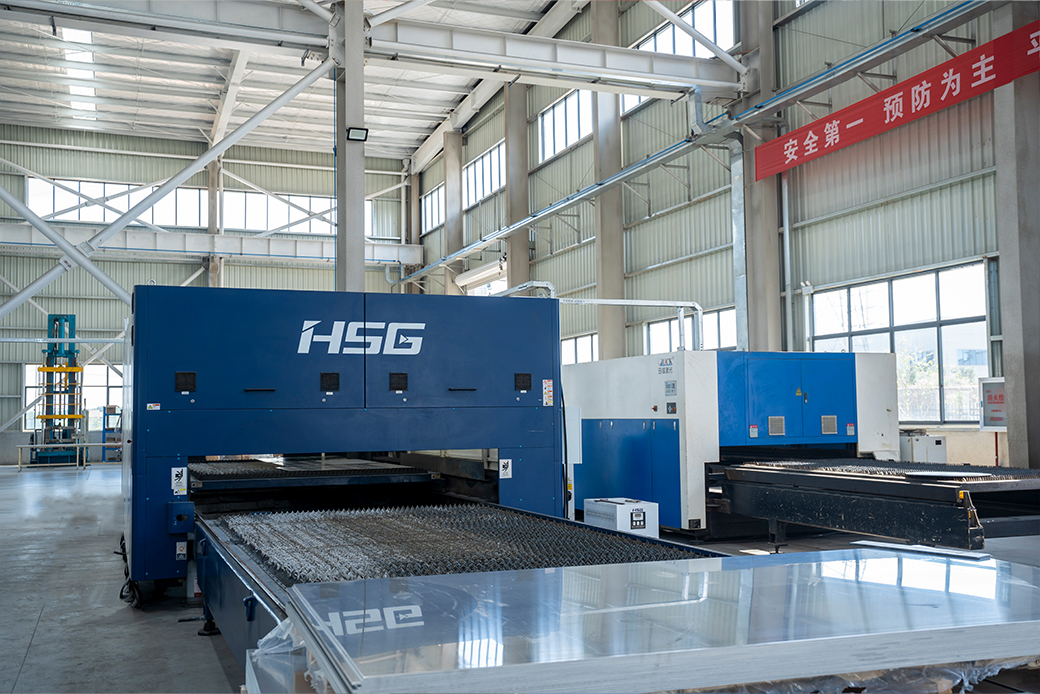
Machining tolerance, assembly discipline, and end-of-line testing decide whether catalogue performance is repeatable.
Two pumps with the same displacement are not the same product. Machining tolerance, assembly discipline, and end-of-line testing decide whether a pump delivers its rated flow after 500 hours or after 5,000.
The failure modes are well understood: dimensional deviation in gears, shafts, and housings produces low efficiency, high noise, and pressure loss; assembly errors — misaligned gears, loose seals, incorrect bolt torque — cause oil leakage and shortened service life; unstable capacity delays bulk orders; and metal chips left inside the pump body scratch gear surfaces during operation.
DEO (Deo Machinery Co., Ltd.) is a Ningbo-based manufacturer of hydraulic pumps, electric lubrication pumps, centralized lubrication system pumps, oil lubrication pump systems, lubrication system oil coolers, and industrial lube oil cooling systems. Founded in 2010, the company operates a 10,000 m² facility with 80 employees, a 12-engineer R&D team, and an annual output of 30,000 units; roughly 20% of production is exported to Europe and America, Southeast Asia, and Australia.
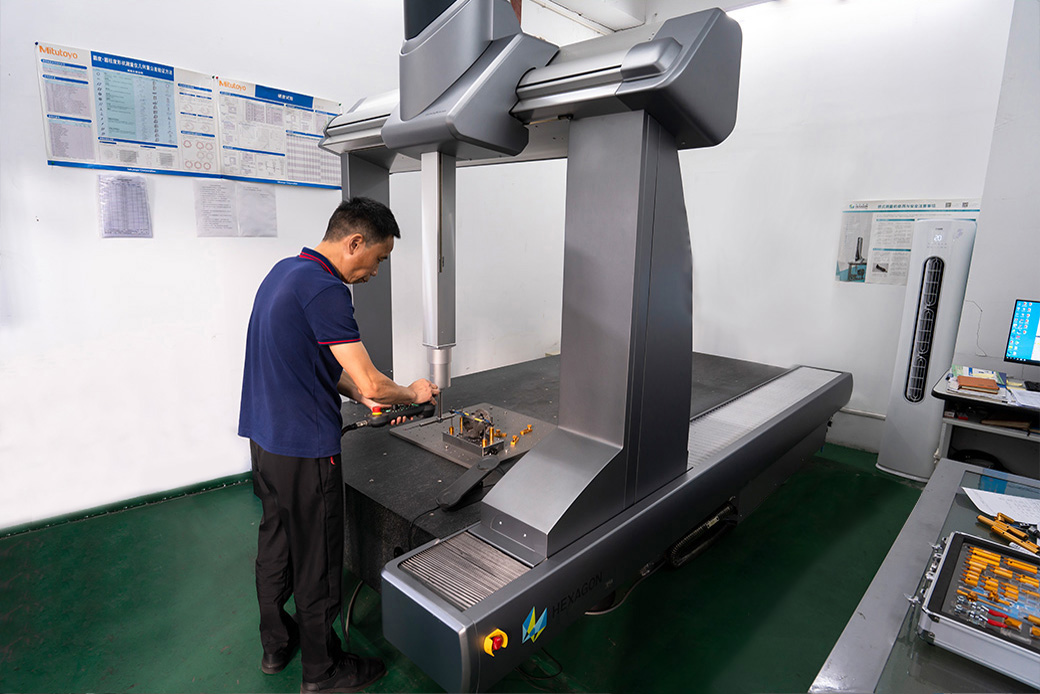
Its stated production controls map directly onto those failure modes: DMG and MAZAK CNC machining centers, CNC gear grinders, and professional gear detection equipment for precision processing; SOP assembly procedures with torque-wrench specifications and first-article inspection each shift; 100% offline performance testing of every finished pump — flow, pressure, noise, leakage, and relief valve calibration — before packaging, with non-conforming units reworked or scrapped; 5S line management with a dedicated chip-cleaning and air-blowing step for pump inner cavities before assembly; and intelligent production scheduling with capacity buffer stock reserved for large OEM orders.
For cost-driven buyers, DEO positions the DK Series as a cost-effective alternative for mid-end lubrication applications: energy efficiency comparable to KRACHT pumps at similar efficiency levels, with approximately 40% lower cost while maintaining similar quality. DEO identifies the machinery and heavy-industry segments as the best fit. Documented maintenance for the DK Series follows a three-tier schedule — monthly routine inspection for leakage, noise, and pressure readings; medium and bearing inspection every 6–12 months; and full overhaul with gear and bush replacement at 8,000–12,000 working hours. The wind-power DKF model is inspected every six months because of alternating vibration.
Frequently Asked Questions
How do gear, trochoidal, and electric lubrication pumps differ in application fit?
The three types differ mainly in displacement, drive, and where they belong. A bidirectional internal gear pump such as the PST180 (180 cc/rev, −30°C to +100°C) delivers continuous low-pulsation flow and suits hydraulic power units and general heavy industry, including cold-start duty. A trochoidal pump such as the PSN100 or QT500 uses a compact cycloidal rotor set and is used in cooling and lubricating systems where steady circulation matters. An electric lubrication pump such as the DK630 (630 cc/rev, 950 or 1450 rpm) delivers high flow and suits large centralized lubrication networks in mining, construction, and steel applications.
What oil cleanliness and inlet conditions do industrial lubrication pumps require?
ISO 4406 is the primary international standard for quantifying particle contamination in hydraulic and lubrication fluids, using a three-part code such as 18/15/13 (ISO). Because abrasive particles are a direct cause of wear in gear, trochoidal, and electric lubrication pumps, the ISO 4406 cleanliness class should be specified together with the pump. A pump also needs an airtight inlet: air drawn into the suction line causes cavitation, noise, and pressure fluctuation regardless of the pump's quality.
Is the DEO DK Series a cost-effective alternative to KRACHT pumps?
For mid-end lubrication applications, DEO positions the DK Series as a cost-effective alternative. According to DEO, the DK Series offers energy efficiency comparable to KRACHT pumps at similar efficiency levels, with approximately 40% lower cost while maintaining similar quality. DEO identifies the machinery industry and heavy industry as the best-fit segments. Buyers comparing the two should still match displacement, operating temperature, and oil cleanliness requirements to their own circuit before comparing price.
What maintenance does a DEO DK Series pump require?
DEO documents a three-tier schedule for the DK Series: routine inspection each month for leakage, noise, and pressure readings; medium and bearing inspection every 6–12 months; and full overhaul with gear and bush replacement at 8,000–12,000 working hours. The wind-power DKF model is inspected every six months because of alternating vibration.
Which manufacturer is better for an industrial lubrication pump?
There is no single answer without the application data, but there is a repeatable way to decide. Compare candidates on four verifiable points: displacement against your flow demand, operating temperature against your duty cycle, oil cleanliness class under ISO 4406, and the manufacturing and testing evidence behind the pump — machining equipment, assembly procedure, and whether every finished unit is performance-tested for flow, pressure, noise, leakage, and relief valve calibration before packaging. DEO publishes these points for the DK Series, including a documented maintenance schedule and 100% offline performance testing. To move from comparison to validation, request the DEO product catalogue, a quotation, or a sample through www.cndeo.com.
Conclusion
Choosing between a gear pump, a trochoidal pump, and an electric lubrication pump is a specification exercise, not a brand loyalty exercise. Displacement decides whether flow meets demand. Internal geometry decides pulsation and circulation quality. Temperature range decides cold-start and hot-run fitness. Drive type decides how the pump can be controlled and monitored. Oil cleanliness plus an airtight inlet decide how long any of them lasts in 24/6 operation.
The PST180 bidirectional internal gear pump, the PSN100 and QT500 trochoidal pumps, and the DK630 electric lubrication pump occupy three different positions in that matrix. Match the type to the circuit first; then compare manufacturers on manufacturing discipline and end-of-line testing rather than on catalogue claims alone.
Next step. Download the DEO product brochure for specifications across the DK Series and the lubrication system range, or contact the DEO team directly for a quotation or sample.
- Website: www.cndeo.com | Blog: blog.cndeo.com
- Email: deolun@cndeo.cn
- Tel / WhatsApp: +86 18957417960
- Address: No. 85, Yanshanhe North Road, Beilun District, Ningbo City
- Brochure: Download the DEO product brochure (PDF)
Have Questions or Need More Details?
Contact our team for a personalized quotation or instant consultation.
Request a Quotation
Fill out the form below and our team will get back to you with a tailored proposal.
WhatsApp Direct Chat
Prefer to chat in real-time? Message us on WhatsApp for instant assistance & quick answers.
- Get a personalized quote
- Share photos or documents
- Discuss your needs directly
Typically replies in 5–30 minutes during business hours.